
Personal finance is something that affects everyone’s daily life, yet many people feel confused or overwhelmed when they hear terms like budgeting, saving, investing, or retirement planning.
The reality is that personal finance is not complicated. It simply refers to how you manage your money in everyday life.
Whether you are earning your first salary, running a business, or planning your future, understanding personal finance helps you make better financial decisions and build long-term security.
In this beginner’s guide, we will explain what personal finance is, why it is important, and how beginners can start managing money wisely.
What Is Personal Finance?
Personal finance refers to how an individual earns, spends, saves, invests, and manages money to achieve both short-term and long-term financial goals.
In simple terms, personal finance answers everyday money questions such as:
- How much should I save each month?
- How should I spend my income wisely?
- How do I prepare for emergencies?
- How can I plan for the future?
Personal finance is not about becoming rich overnight. Instead, it focuses on making responsible and informed financial decisions consistently over time.
By understanding basic financial concepts, individuals can avoid common money problems and create a stable financial future.
Why Is Personal Finance Important?
Proper money management is essential for financial stability and peace of mind.
When you understand personal finance, you can:
- Avoid unnecessary debt
- Reduce financial stress
- Prepare for unexpected expenses
- Achieve financial goals such as buying a home
- Build long-term financial security
Many people earn good salaries but still face financial problems because they do not manage their money properly.
Developing strong personal finance habits early in life can help you build a secure financial future and avoid common financial mistakes.
Key Areas of Personal Finance
Personal finance includes several important areas that work together to help manage money effectively.
Understanding these areas creates a strong financial foundation.

Personal finance can be divided into several important areas. Understanding these basics helps you build a strong financial foundation.
1. Income Management
Income is the money you earn from various sources such as:
- Salary or wages
- Business income
- Freelancing
- Rental income
- Other legal earnings
The first step in personal finance is understanding how much money you earn each month.
Once you know your income, it becomes easier to:
- plan expenses
- set savings goals
- avoid overspending
Tip: Always plan your finances based on actual income rather than expected income.
2. Budgeting
Budgeting is the process of creating a plan for how your money will be spent each month.
A good budget helps you:
- Track expenses
- Avoid unnecessary spending
- Save regularly
- Maintain financial discipline
A simple monthly budget usually includes:
- Fixed expenses (rent, electricity, internet)
- Variable expenses (food, travel, shopping)
- Savings and investments
Even a basic budget can significantly improve your financial control.
3. Saving Money
Saving means setting aside a portion of your income for future needs.
People save money for different reasons such as:
- Emergency funds
- Short-term financial goals
- Unexpected expenses
A common rule in personal finance is:
Save first, spend later.
This means you should set aside savings before spending money on non-essential items.
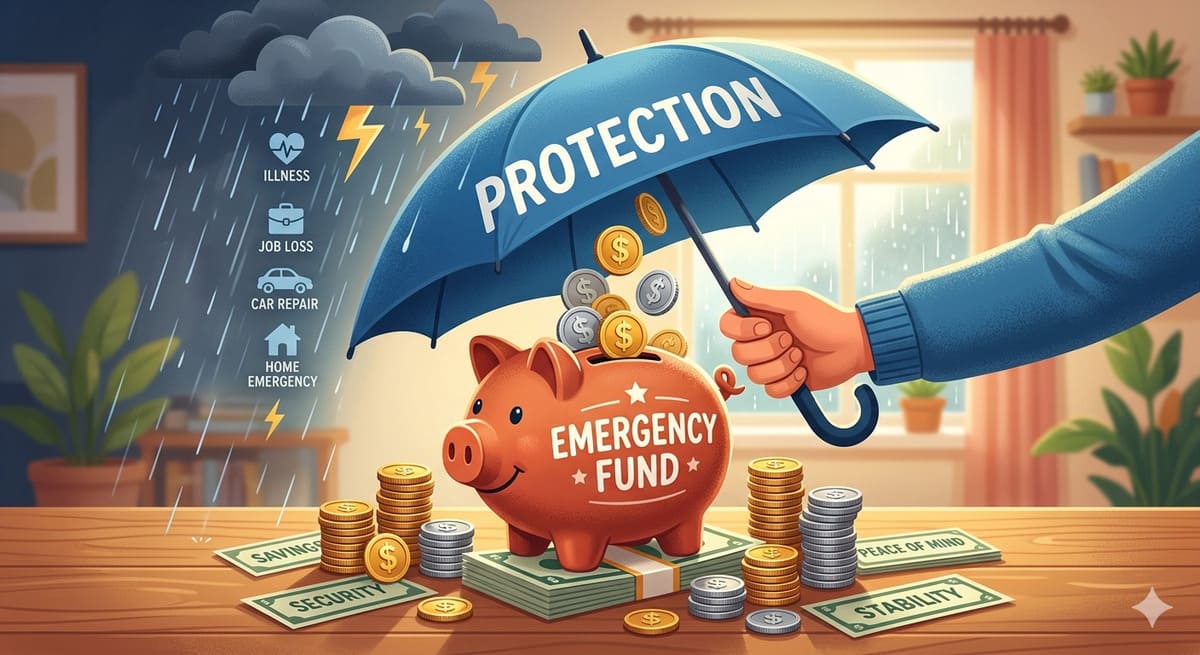
4. Emergency Fund
Saving means setting aside a portion of your income for future needs.
People save money for different reasons such as:
- Emergency funds
- Short-term financial goals
- Unexpected expenses
A common rule in personal finance is:
Save first, spend later.
This means you should set aside savings before spending money on non-essential items.
5. Managing Expenses
Expense management means spending money carefully and consciously.
Smart spending habits include:
- Differentiating between needs and wants
- Avoiding impulse purchases
- Comparing prices before buying
- Tracking daily expenses
Good personal finance is not about eliminating enjoyment. It is about spending wisely while maintaining financial stability.
6. Debt and Credit Management
Debt refers to borrowed money that must be repaid with interest.
Common types of debt include:
- Credit card balances
- Personal loans
- Education loans
- Home loans
While borrowing money can sometimes be necessary, excessive debt can lead to financial stress.
Good debt management practices include:
- Paying bills on time
- Avoiding high-interest debt
- Borrowing only when necessary
Maintaining a healthy credit profile also improves your ability to access financial services in the future.
7. Investing (Basic Understanding)
Investing means putting money into assets with the goal of generating long-term financial growth.
Some common investment options include:
- Stocks
- Mutual funds
- Fixed deposits
- Bonds
- Exchange-traded funds
Beginners should focus on:
- Understanding basic investment concepts
- thinking long-term
- avoiding emotional decisions
Investment knowledge grows gradually with experience and learning.
If you want to understand investment timelines better, you can read our guide on Long-Term vs Short-Term Investing: Key Differences Explained.
8. Financial Goals
Financial goals give direction and purpose to your money.
These goals can be divided into three categories.
Short-Term Goals
Examples include:
- buying gadgets
- planning vacations
- small purchases
Medium-Term Goals
Examples include:
- purchasing a car
- education expenses
- starting a small business
Long-Term Goals
Examples include:
- retirement planning
- buying a house
- financial independence
Setting clear financial goals helps you stay motivated and disciplined.
9. Retirement Planning
Retirement planning involves preparing financially for life after you stop working.
Starting retirement planning early can make a huge difference because of long-term investment growth.
Even small investments made consistently over many years can grow significantly over time.
Planning early also reduces financial pressure later in life.
Common Personal Finance Mistakes Beginners Make
Many people struggle with money because of common financial mistakes such as:
- Not tracking expenses
- Avoiding savings
- Overspending on lifestyle expenses
- Using credit cards excessively
- Delaying financial planning
Recognizing these mistakes early helps individuals build better financial habits.
How to Start Personal Finance as a Beginner
If you are new to personal finance, you can start with a few simple steps:
- Track your income and expenses
- Create a monthly budget
- Start saving regularly
- Build an emergency fund
- Learn basic financial concepts gradually
You do not need to master everything immediately. Personal finance improves step by step through consistent effort.
Personal Finance Is a Lifelong Skill
Personal finance is not a one-time task. It is a skill that continues throughout life.
As income grows and responsibilities change, financial decisions also evolve.
By continuously learning about money management, individuals can improve their financial stability and prepare for future opportunities.
Final Thoughts
Personal finance is about control, awareness, and discipline with money.
You do not need advanced financial knowledge or a high income to begin managing your finances effectively.
Small steps taken today—such as budgeting, saving regularly, and planning for the future—can lead to long-term financial security.
For beginners who want to grow their wealth gradually, learning about SIP investing strategies can also be a useful next step in financial planning.
Frequently asked question
Q-1 What is personal finance in simple words?
Ans– Personal finance means managing your income, expenses, savings, and investments to achieve financial security and financial goals.
Q-2 Why is personal finance important for beginners?
Ans- Personal finance helps beginners develop good money habits, avoid debt, save regularly, and build financial stability early in life.
Q3. What are the basic elements of personal finance?
Ans- The basic elements include income management, budgeting, saving, investing, debt management, and financial planning.
Disclaimer-
This article is for educational and informational purposes only and does not constitute financial, tax, or investment advice.
Readers should consult a qualified financial advisor before making financial decisions.
10 thoughts on “What Is Personal Finance? A Beginner’s Guide”